Clearer. Brighter. More like the skin you remember.
HydraFacial, chemical peels, and microdermabrasion — physician-supervised skin treatments that address the texture, tone, and clarity concerns that accumulate from sun damage, aging, stress, and daily life. Results you can see from the first visit.
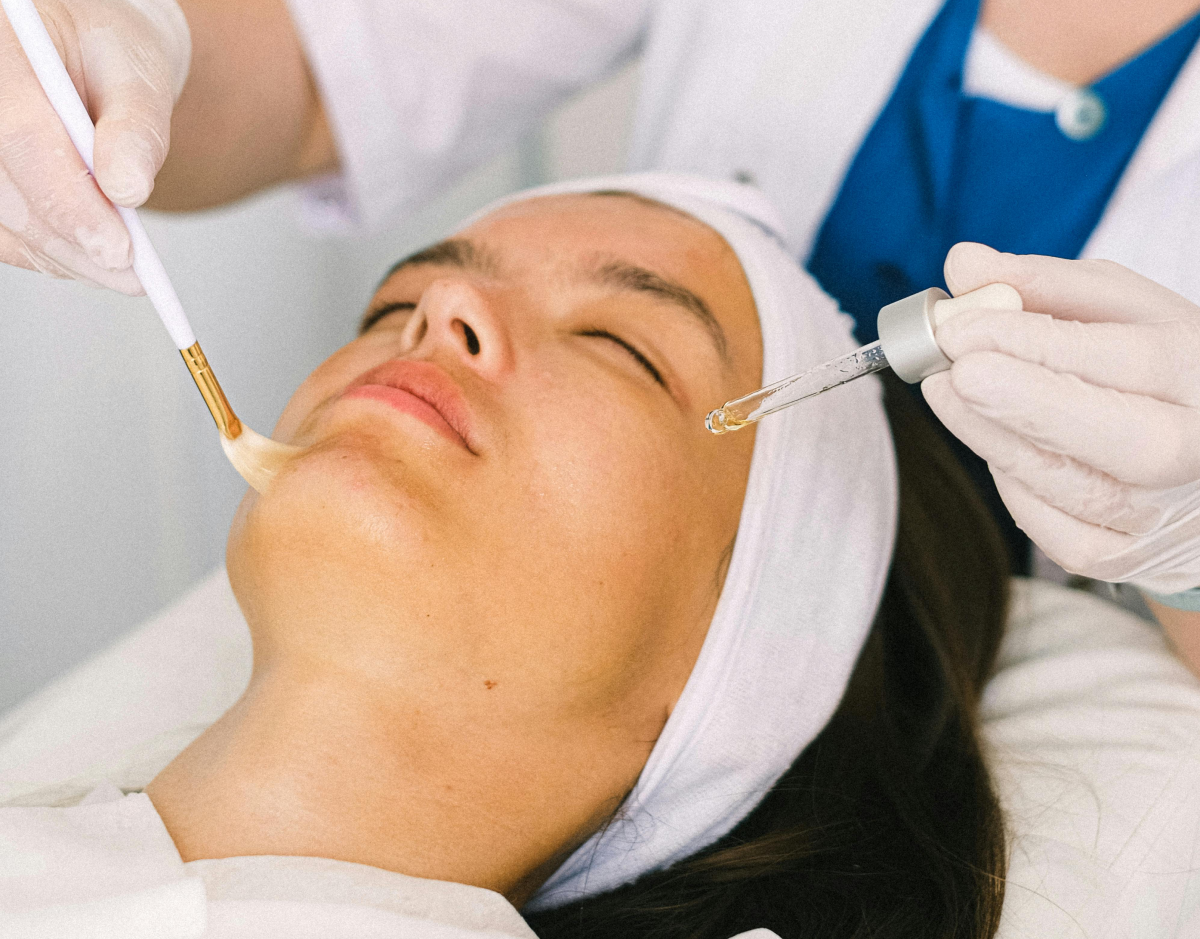
Skin changes are cumulative. The right treatment reverses them layer by layer.
Dullness, uneven tone, enlarged pores, and rough texture all have specific causes — and specific treatments that address them at the cellular level, not just at the surface.
Skin that used to have a natural luminosity and now looks flat or gray. Caused by dead cell accumulation, reduced cellular turnover with age, and declining hydration in the deeper dermis.
Sun spots, melasma, post-inflammatory hyperpigmentation from acne, and general unevenness. Driven by irregular melanin production accumulating in the epidermis.
Visibly enlarged pores, frequently congested, or prone to blackheads. Pore size can be dramatically minimized by keeping them clear — exactly what deep cleansing treatments achieve.
Skin that catches light unevenly, feels rough, or has a bumpy appearance. Mechanical exfoliation and chemical resurfacing smooth the surface systematically over a course of treatments.
Fine surface lines visible when skin is dehydrated or has lost elasticity. Respond well to deep hydration with high-molecular-weight hyaluronic acid serums and stimulating treatments.
Flat brown or red marks from acne and shallow textural scarring from past breakouts. Chemical peels — particularly VI Peel and Perfect Derma Peel — are among the most effective options.
Most skin texture concerns are the result of years of accumulation.
A course of physician-supervised treatments produces results that topical skincare alone cannot achieve. Book a free skin assessment to find out exactly which treatment is right for your concerns.
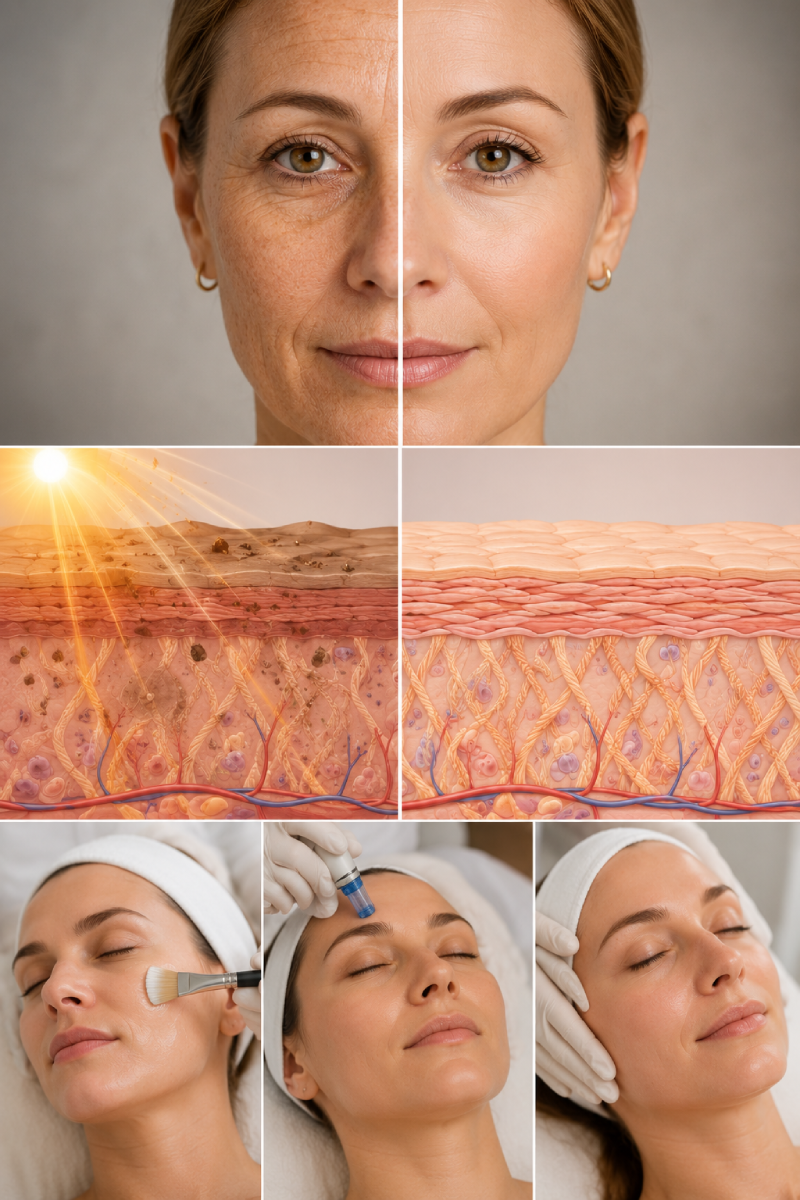
Skin texture declines when cell turnover slows and damage accumulates faster than the skin can repair.
Healthy, radiant skin relies on a continuous cycle of cellular renewal — old cells shed, new cells emerge, collagen and elastin are produced, and the skin barrier maintains hydration. This cycle operates optimally in youth. From the late 20s onward, the pace slows: cell turnover declines, collagen synthesis decreases, and the skin's ability to retain moisture diminishes. The result is the gradual accumulation of dullness, texture, and tone changes that characterize aging skin.
UV exposure accelerates this process significantly — accounting for up to 80% of visible skin aging according to dermatological research. UV radiation damages DNA in skin cells, disrupts melanin production, degrades collagen directly, and generates reactive oxygen species (free radicals) that cause widespread cellular damage. This is why most patients in their 40s and 50s have skin that looks meaningfully older than the same-age skin of someone who avoided sun exposure throughout their life.
Medical-grade skin treatments work by overriding the natural pace of renewal — either by stimulating faster cell turnover (chemical peels, microdermabrasion), delivering therapeutic concentrations of active ingredients that penetrate beyond what topical products can reach (HydraFacial serums), or doing both simultaneously. The result is skin that behaves more like it did 5–10 years ago: brighter, cleaner, more even, and better hydrated.
Fitzpatrick skin type and photodamage pattern · Sensitivity and contraindications · Primary concerns — tone, texture, hydration, or acne scarring · Downtime tolerance · Whether a single treatment or a course is appropriate for your goals.
Three skin treatments. Each targeting a different layer and mechanism.
HydraFacial addresses hydration, congestion, and glow. Chemical peels resurface and even tone at a deeper level. Microdermabrasion mechanically exfoliates for smooth texture. Your physician will recommend the right treatment based on your skin type, concerns, and downtime tolerance.
Not sure which one? We'll guide you after reviewing your bloodwork.
The gold standard multi-step facial treatment — cleansing, exfoliation, extraction, and intensive hydration delivered in a single 30–45 minute session using patented Vortex-Fusion technology with medical-grade serums.
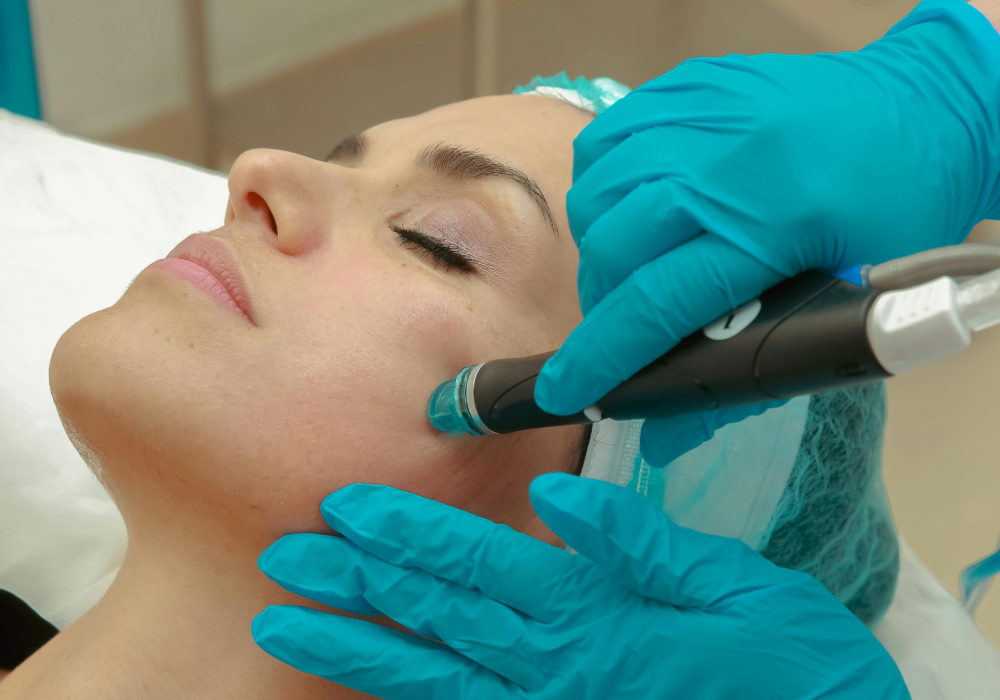
Medical-grade chemical exfoliation using alpha-hydroxy acids, TCA, or phenol-based compounds to dissolve outer skin layers — revealing clearer skin beneath and stimulating collagen in the dermis. We offer VI Peel and Perfect Derma Peel.
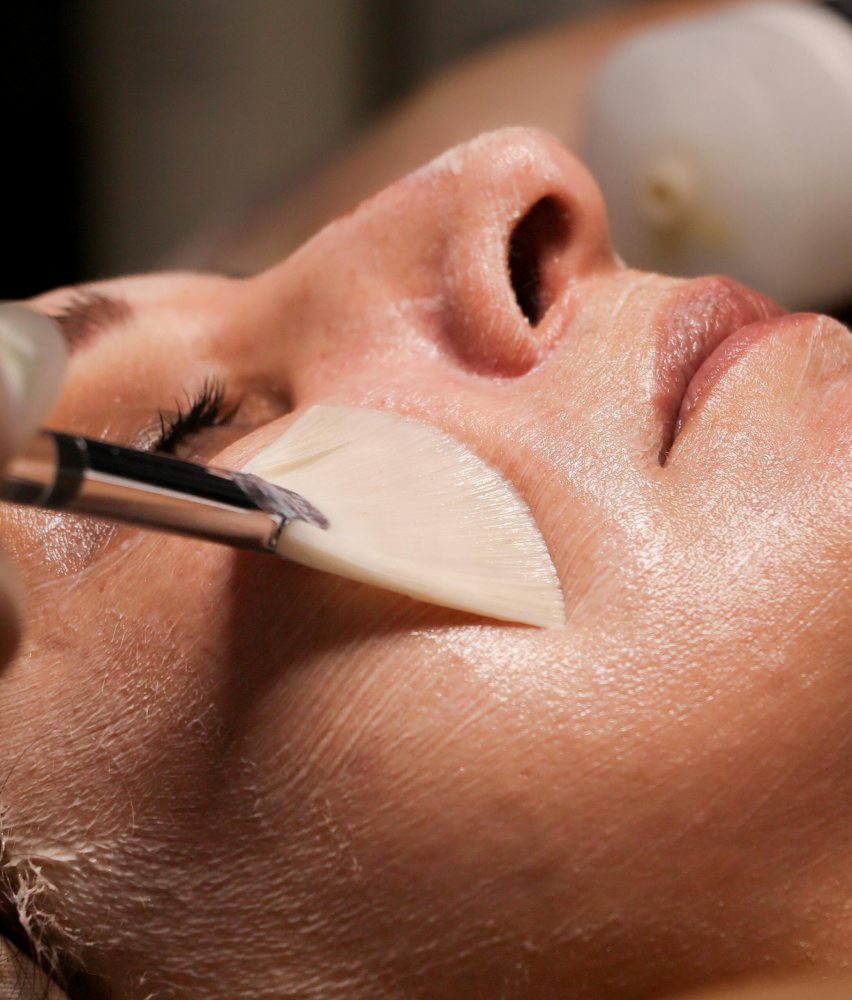
Mechanical skin resurfacing using a diamond-tip wand to remove the outermost layer of dead skin cells. Entirely physical in its action, making it suitable for patients with chemical sensitivity or preferring a non-chemical approach.
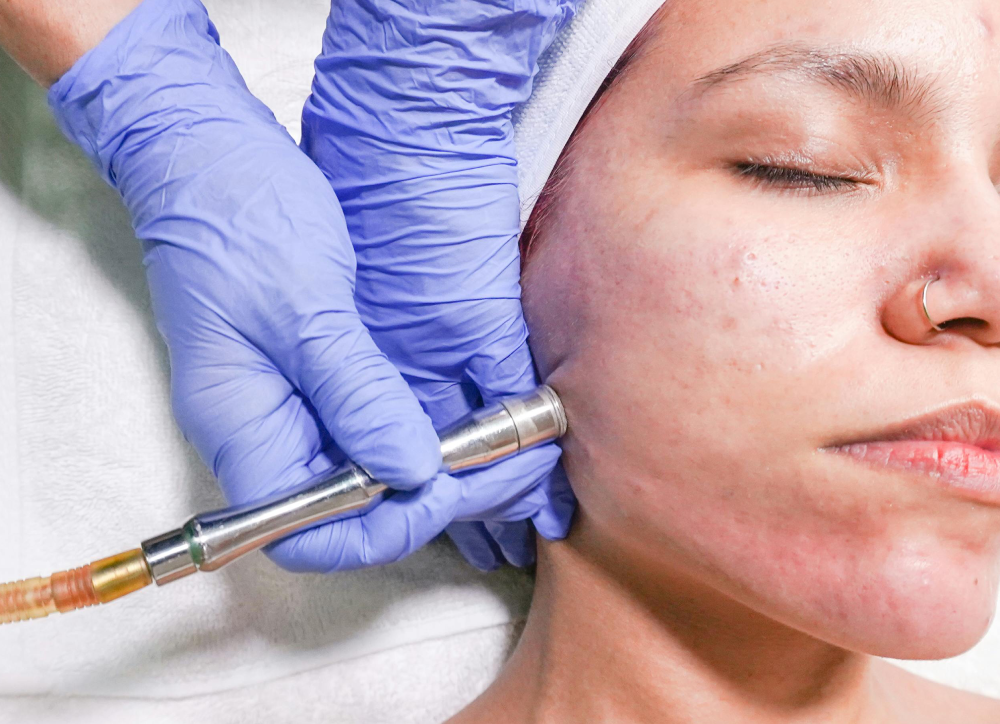
Three skin treatments — which is right for your concern?
Use this table to guide your thinking. Your treatment recommendation will be confirmed after a skin assessment.
| Feature | HydraFacial ★ | Chemical Peel | Microdermabrasion |
|---|---|---|---|
| Primary benefit | Hydration + glow + clear pores | Tone evening + resurfacing | Texture + exfoliation |
| Mechanism | Vortex infusion + serum delivery | Chemical exfoliation | Mechanical exfoliation |
| Best for | Dullness, dehydration, congestion | Hyperpigmentation, acne scars | Rough texture, pore size |
| Downtime | None | 5–7 days peeling | None |
| Results visible | Immediately after | 7–10 days post-peel | Immediately after |
| Sessions recommended | Monthly maintenance | 2–4 peel series | Monthly series of 3–6 |
| Sensitive skin safe | ✓ Yes — all types | With careful formulation | ✓ Yes |
| Can be combined | ✓ With most treatments | ✓ After HydraFacial prep | ✓ With HydraFacial |
Medical-grade treatments produce results that topical skincare cannot — because they operate at a different depth.
The fundamental limitation of topical skincare is penetration. Medical-grade treatments bypass this by mechanically or chemically removing the surface barrier, delivering active ingredients directly into the dermis, or stimulating biological responses that topical products can only weakly suggest. The result is skin improvement on a timeline and at a depth that over-the-counter products cannot replicate.
From your first consultation to noticeably different skin.
We assess your skin type, Fitzpatrick phototype, primary concerns, and any contraindications. We recommend the right treatment and create a realistic expectation of the result and timeline.
Some peels require 2–4 weeks of pre-conditioning with retinoids for Fitzpatrick IV–VI skin. HydraFacial and microdermabrasion require no preparation — come as you are.
HydraFacial: 30–45 minutes. Microdermabrasion: 30 minutes. Chemical peel: 30–45 minutes application time; peeling occurs in the days following. All performed in our clinical setting.
Follow-up 10–14 days after chemical peels to assess and plan next steps. Monthly HydraFacial and periodic resurfacing treatments maintain and continuously improve results over time.
Medicine that
gets you.
Over 15 years serving Las Vegas with physician-supervised aesthetic treatments and medical-grade skin protocols that deliver visible, lasting results.
Physician-supervised skin treatments
All treatment recommendations are made by our medical team — not just aestheticians. Your skin health is assessed clinically before any protocol begins.
Medical-grade formulations only
We use pharmaceutical-strength serums and clinical-grade peel systems unavailable in spa settings. The difference in results is real.
Suitable for all skin types
Including darker skin tones (Fitzpatrick IV–VI). We formulate peels and recommend treatments based on your specific phototype — never one-size-fits-all.
Honest timelines and expectations
We tell you exactly what to expect and how many treatments it will take. No overselling, no surprises.
Skin that speaks
for itself.
Everything you
want to know.
Your skin has the capacity to
look better.
A free consultation, a skin assessment, and a treatment plan matched to your skin type, concerns, and downtime tolerance. Results start at your first visit.