Stubborn pigmentation. Meets its match.
The Perfect Derma Peel combines TCA with kojic acid, retinol, and glutathione — a formulation specifically optimized for melasma, deep hyperpigmentation, and darker skin tones where conventional peels are contraindicated.
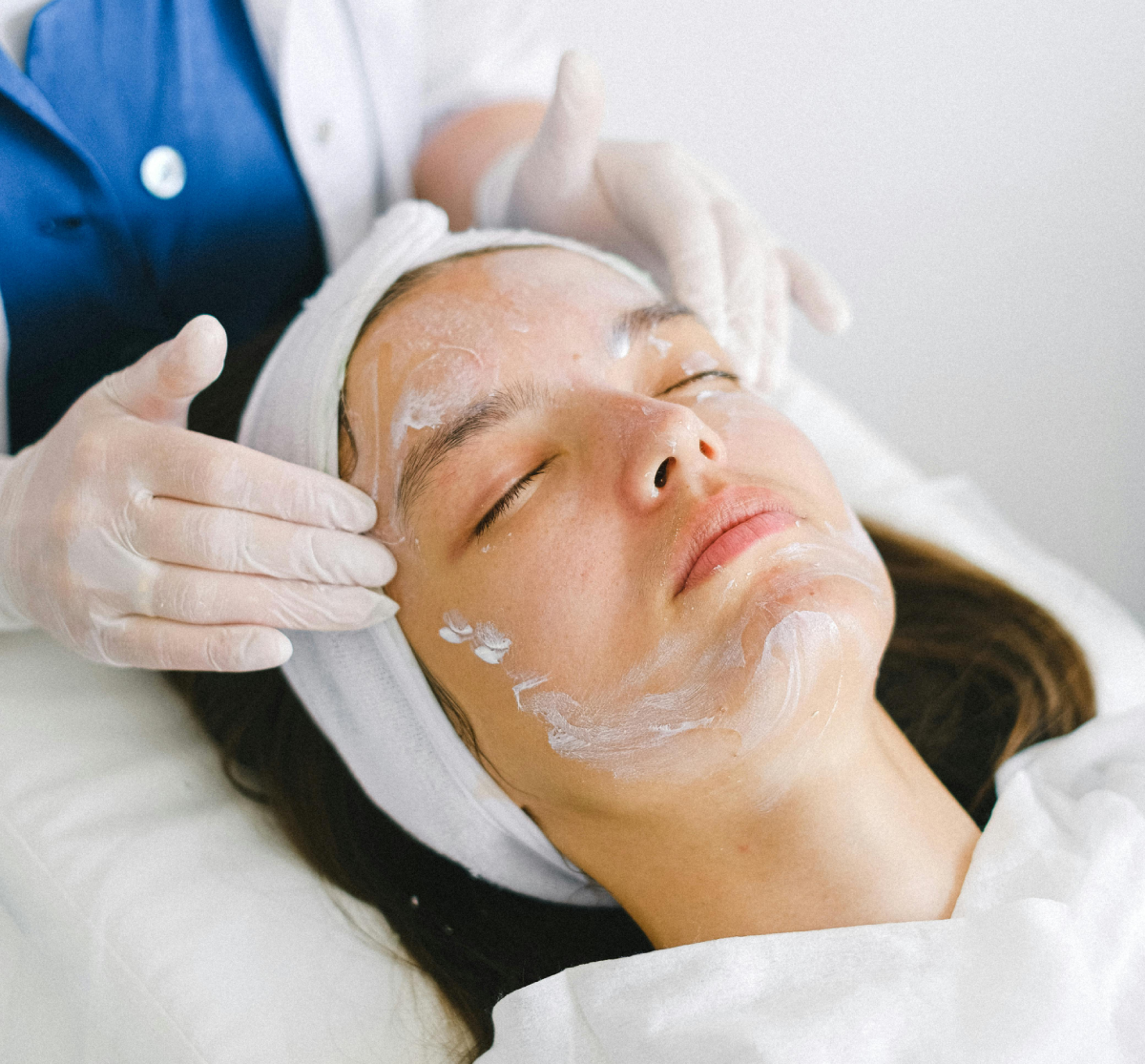
Engineered for the hardest pigmentation cases.
The Perfect Derma Peel is a medium-depth chemical peel formulated with TCA (trichloroacetic acid) as its primary resurfacing agent, combined with kojic acid, phenol, salicylic acid, and glutathione. The combination is specifically designed to address the most persistent pigmentation concerns — melasma, severe hyperpigmentation, and post-inflammatory marks — that other peels are less effective against. Kojic acid is a potent tyrosinase inhibitor that blocks melanin production at the enzymatic level. Glutathione — the body's master antioxidant — further inhibits melanin synthesis through a different pathway, creating a dual-mechanism depigmentation effect that is significantly more powerful than single-agent approaches.
The Perfect Derma Peel's unique strength is its efficacy in darker skin tones (Fitzpatrick IV–VI) — precisely the patients for whom melasma and hyperpigmentation are most common and for whom most chemical peels are contraindicated due to PIH risk. The glutathione + kojic combination actively reduces pigmentation during the resurfacing process rather than simply removing pigmented cells, making post-inflammatory darkening far less likely. It is one of the most recommended peels in dermatology for patients with Fitzpatrick IV–VI who have not responded to topical depigmentation regimens.
TCA (trichloroacetic acid) — primary resurfacing depth · Kojic acid — tyrosinase inhibition, blocks melanin at enzyme level · Retinol — cell turnover, collagen stimulation · Glutathione — master antioxidant, inhibits melanin via alternative pathway · Vitamin C — antioxidant protection, brightening. The dual melanin-inhibiting mechanism (kojic + glutathione) is what distinguishes this peel for pigmentation treatment · Phenol — penetration enhancer, mild anesthetic · Salicylic acid — follicular penetration, congestion clearing alongside the depigmentation agents.
Four patients who should consider Perfect Derma Peel specifically.
Perfect Derma Peel is the more targeted choice when pigmentation — especially melasma — is the primary concern, or when darker skin tone makes standard peels higher risk.
The combination of kojic acid and glutathione creates the strongest melanin-inhibiting effect available in a medium-depth peel — making the Perfect Derma the safest and most effective option for patients with Fitzpatrick IV–VI skin who need genuine resurfacing, not just surface-level brightening.
Melasma is driven by melanocyte hyperactivity — not just accumulated pigmentation. The Perfect Derma's dual-mechanism depigmentation (kojic + glutathione) addresses both the existing pigment and the melanocyte activity producing it, making it more effective for melasma than peels that only resurface.
Flat marks left by acne, eczema flares, or other inflammatory conditions are among the most common presentations in patients with Fitzpatrick III–VI skin. Perfect Derma Peel addresses PIH more effectively than most peels while simultaneously reducing the risk of creating new PIH during treatment.
Many patients alternate VI Peel and Perfect Derma Peel across a series — using VI Peel for its all-round texture and tone effects, and Perfect Derma for its superior pigmentation-targeting in alternating cycles. This combination protocol is recommended by many dermatologists for comprehensive, progressive results.
Perfect Derma Peel vs. VI Peel — the targeted vs. the versatile.
Both are medium-depth peels safe for all Fitzpatrick types. Perfect Derma is the more targeted choice for melasma and severe pigmentation. VI Peel is the more versatile all-round option.
| Feature | Perfect Derma Peel ★ | VI Peel |
|---|---|---|
| Primary active agents | TCA + Kojic + Retinol + Glutathione | TCA + Retinoic + Salicylic + Phenol + Vit C |
| Strongest indication | Melasma, deep pigmentation, darker skin | All-round: texture, tone, lines, congestion |
| Melanin inhibition strength | Stronger (dual mechanism) | Moderate (retinoic acid) |
| Glutathione antioxidant | ✓ Yes — dual depigmentation | ✗ No |
| Congestion / acne clearing | Limited | ✓ Salicylic acid |
| Fitzpatrick IV–VI preferred? | ✓ Primary recommendation | ✓ Also safe |
| Best first peel for PIH/melasma | ✓ Yes | Second choice for melasma |
| Can be alternated | ✓ Yes — with VI Peel | ✓ Yes — with Perfect Derma |
From stubborn pigmentation to clearer, more even skin.
We assess your Fitzpatrick phototype, the pattern and depth of your pigmentation, and any contraindications. For melasma, we discuss realistic outcomes and whether a pre-conditioning protocol will enhance your results.
Perfect Derma Peel solution applied evenly in our clinical setting. Mild warmth during application. Your home care kit is provided with specific instructions for the 5–7 day peeling phase. Peeling begins day 2–3.
Assessment at 10–14 days. For melasma and significant hyperpigmentation, a series of 2–4 peels is typically recommended — often alternating with VI Peel in subsequent sessions for a comprehensive approach.
Everything you
want to know.
Want the full picture?
Perfect Derma Peel is one of two medical-grade peels we offer. If you're comparing it with the VI Peel, or want to understand how we select between them based on your specific skin type and concern, the Chemical Peels overview covers both formulations in full.
Stubborn pigmentation
has a real solution.
A free consultation and skin assessment. We'll determine whether Perfect Derma Peel, VI Peel, or a combination series is the right approach for your specific pigmentation concern and skin type.